Creativity at Work: How Arts and Design Improve Workplace Wellbeing and Performance
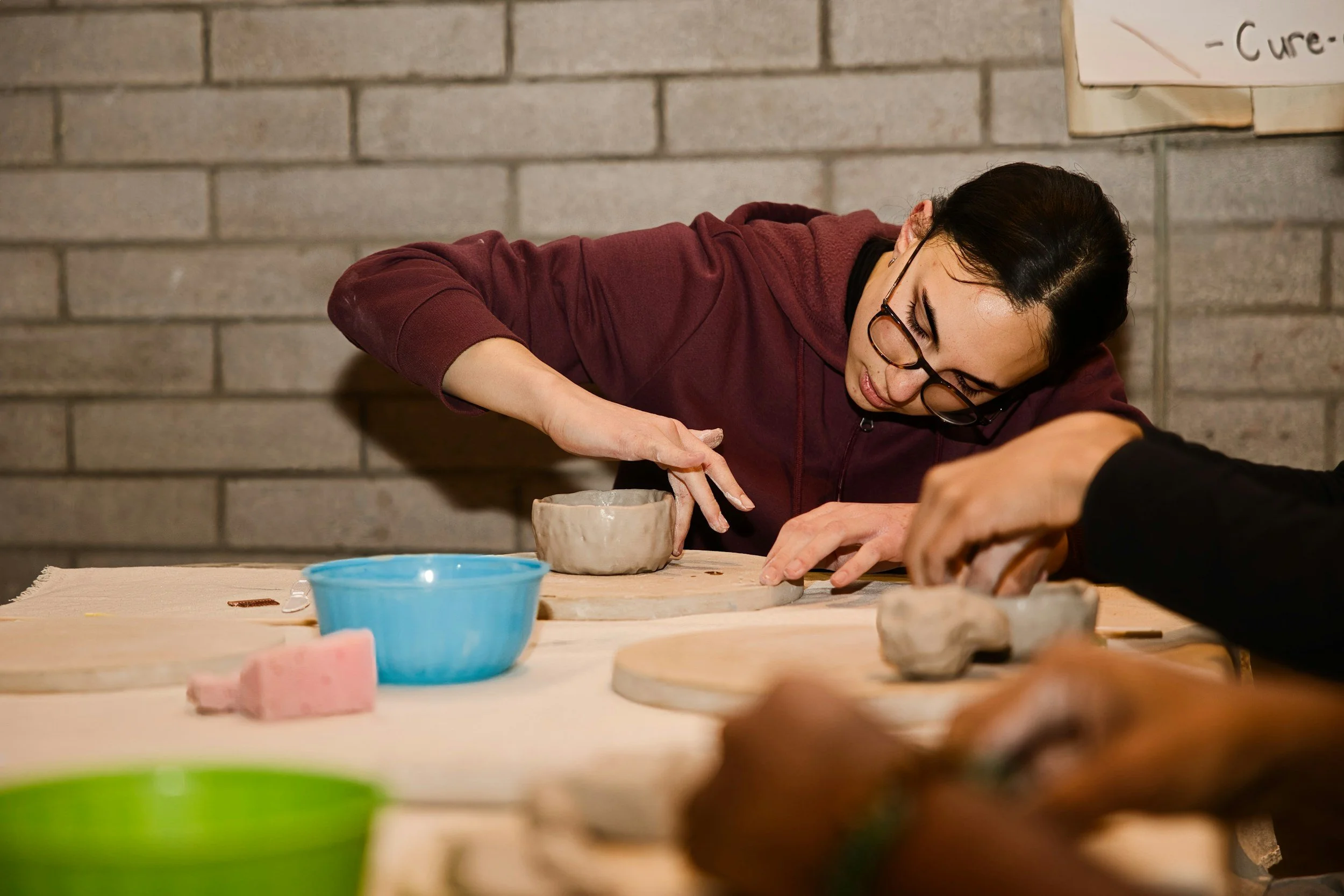
Creativity has its place in every workplace.
Research shows that creativity can be a driver of wellbeing, performance, and innovation when applied intentionally.
Join our Q2 Educational Intensive (April 16, 2026, 11:45 AM–1:00 PM PT) to explore how creativity and arts can build workplaces where people and opportunity flourish.
Why Creativity Matters for Workplace Wellbeing
In corporate culture it's common to see creativity, design and the arts viewed as just fluff or nonessential, but science tells us a different story.
Creative activities like drawing, music, and mindful movement can support wellbeing by reducing stress and improving mood. In one study, just 45 minutes of art-making significantly reduced cortisol levels, a key stress hormone. (Drexel University, 2016). Creative activities can also create shared experiences that strengthen connection and reduce feelings of isolation.
At a global level, the World Health Organization has identified engagement with the arts as supporting mental health, preventing illness, and improving overall wellbeing.
When stress and burnout go unchecked, organizations lose billions in medical costs, absenteeism and turnover. A UK government review valued cultural engagement at £992 per person per year in benefits, including £138 in productivity gains. Arts‑based programs for older adults delivered £1,310 per person per year, and the overall health and productivity benefits across society were estimated at £8 billion per year. When you translate those figures for a U.S. audience, they equate to roughly $1,300, $1,700 and $10 billion respectively. Even if the contexts differ, the core takeaway is clear: investing in arts and culture can yield measurable economic returns for employers.
How Workplace Design Impacts Employee Performance
The way we design our spaces matters. Researchers at the University of Exeter compared three types of work environments:
Lean spaces: basic, minimal environments with little decoration or personalization
Enriched spaces: environments that included elements like art, plants, and visual interest
Empowered spaces: environments where employees could arrange and personalize their workspace themselves
They found that employees in enriched spaces were up to 15 percent more productive than those in lean spaces. Productivity increased even further, up to 32 percent, when employees had control over how their space was set up.
It’s not just about adding plants or artwork, it’s about creating environments where people feel a sense of control, ownership, and comfort. These factors influence how people focus, engage, and perform throughout the day (Knight & Haslam, 2010).
Using Creativity to Reduce Burnout and Improve Retention
Creative interventions are already being used in high-stress industries. The Colorado Resiliency Arts Lab (CORAL), a creative arts program for healthcare workers, has shown measurable improvements in mental health outcomes, including:
28% reduction in anxiety
36% reduction in depression
26% reduction in post‑traumatic stress symptoms
12% reduction in emotional exhaustion
Participants also reported less desire to leave their jobs, supporting employee retention. These outcomes demonstrate how creativity can support both individual wellbeing and organizational stability. (Torres et al, 2023).
Practical ways to bring creativity into work
You don’t need to be an artist to cultivate a creative culture. Here are tangible steps leaders and teams can take:
Enrich and personalize your spaces. Try introducing art, greenery, and flexible layouts. Give employees the freedom to arrange, decorate and have control over their space and environment.
Offer creative breaks. Schedule short sessions of drawing, journaling, mindful movement or group music. Even a single creative session can reduce stress and improve mood.
Encourage shared creativity. Host group art workshops or team‑building activities such as mural painting or rhythm circles. Collective creativity builds belonging and reduces isolation.
Embed arts in wellbeing programs. Partner with creative arts therapists, museums, educational institutions or local artists to design ongoing programming.
Empower staff to lead. Support employees in co‑designing wellbeing initiatives. Staff‑led programs have been shown to improve participation and sustainability.
Why Creativity Is a Business Strategy
Modern work requires sustained attention, collaboration, and adaptability. Creativity supports cognitive performance, emotional regulation and social connection. Organizations that integrate creativity into their workplace wellbeing strategy are better positioned to support both people and performance.
Creativity and the arts are not distractions from work, they are tools that can support how people think, feel, and perform. When organizations design for creativity, they create environments that improve wellbeing, strengthen engagement, and drive better outcomes.
Join us this April
On April 16, 2026, we’re hosting our quarterly Educational Intensive, “Beyond Expression: The Role of Creativity, Design, and the Arts on Human Flourishing.” Tasha Golden, PhD., a former singer‑songwriter and behavioral scientist, will draw on her research with Johns Hopkins, the University of Florida and organizations like Google and the Mayo Clinic. She will show how creativity helps teams question limiting frameworks, imagine new possibilities and design workplaces where people thrive. You’ll leave with practical frameworks and action steps you can apply immediately.
Our Educational Intensives are free, virtual sessions designed for people who shape how work is designed, led and experienced. They translate research, lived experience and real‑world practice into strategies you can use right away. Register today and discover how creativity can improve wellbeing, drive innovation and strengthen your organization’s bottom line.
Wellbeing Think Tank brings together people who care deeply about creating healthier, more human workplaces. Learn how to join our community and stay connected to evidence-based learning and events throughout the year.
If you believe accessible, trusted resources should continue to be available to all, consider making a tax-deductible donation. Your support helps us continue to offer education you can trust, inspiration that you need, and resources so you can take action for wellbeing.
