Laugh It Off: How Humor Restores Wellbeing and Connection at Work - Highlights from our Q4 Connected Meeting
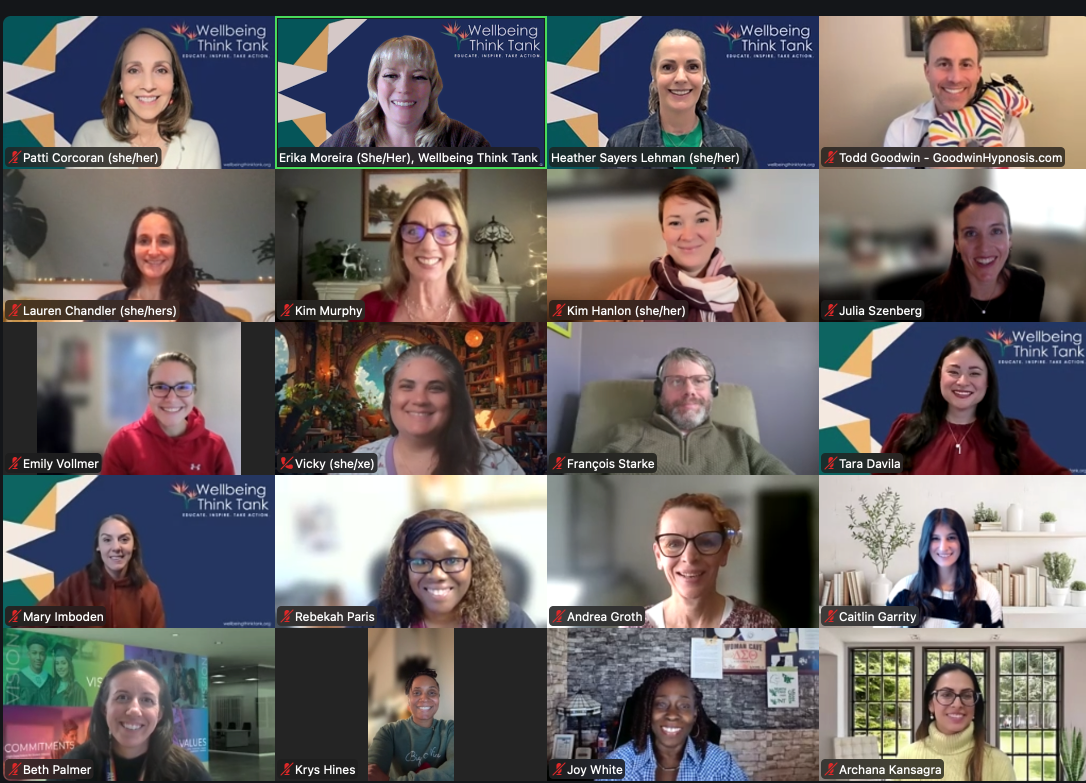
Our final WTT Connected gathering created space to reflect, connect, and explore how humor can restore wellbeing at work.
This conversation brought together insights from our Educational and Be Well sessions and grounded them in practical, human-centered action.
As we look ahead to our 2026 wellbeing strategy, one theme stands out: connection. Building a culture where people feel seen, supported, and energized is essential, and humor is a powerful tool to make that happen. It’s not just about laughter; it’s about creating spaces where trust and authenticity thrive, fueling resilience and engagement for the year ahead.
We all know that one person at work who can slip in a witty remark, juggle a few laughs, or lighten the mood without effort. They stand out, and often, we rely on them to break up the monotony or ease the weight of deadlines and capacity challenges.
A little levity can go a long way.
In our final WTT Connected event, participants reflected on key takeaways from Q4 Educational and Be Well sessions while exploring practical ways to weave humor into the workplace.
Why It’s Needed Now
Workplaces often lean toward a sphere of seriousness, which can stifle creativity and connection. Humor allows vulnerability to become a strength, reminding us we’re human, not robots programmed for back-to-back meetings.
As one participant shared:
“I was nervous presenting to 250 people [for a cooking demo], so I joked about bringing an emotional support cabbage. It loosened everyone up, including me!”
Sometimes, a little humor is all it takes to connect authentically.
Using Culture Elements to Frame Humor
Leaders Taking the Lead
Leaders set the tone. Show your human side, share a laugh, and model cultural humor-fit.
When leaders showcase their real selves, it gives permission for others to do the same.
Trust Is the Punchline
Humor only works when psychological safety exists. If people fear speaking up, jokes fall flat.
Know your audience. What’s funny to one team might be cringe-worthy to another.
Balance humor with sensitivity and steer clear of jokes that could offend.
Keep humor inclusive, not exclusive.
Authenticity Over Forced Fun
Humor thrives when it’s part of the climate, not a one-off gimmick.
Avoid mandatory fun. Nothing kills humor faster than making it a chore.
Be yourself, imperfections and all. Vulnerability is a strength, not a weakness.
Call to Action: Lead and Laugh Together
As we move into 2026, both leaders and teams have the power to make humor a natural part of workplace culture, building trust, connection, and wellbeing.
For Leaders
Set the tone by opening meetings with a light, human moment
Share authentic stories that show vulnerability and relatability
Model cultural humor-fit by balancing levity with sensitivity
For Teams
Start meetings with a quick laugh through a fun question, story, or music clip
Create space for casual connection through coffee chats or virtual water cooler moments
Celebrate authenticity by encouraging personality and imperfection without judgment
Experiment together with improv exercises, themed playlists, or short laugh breaks
Bottom line: Humor isn’t about being the office comedian. It’s about creating a safe, authentic space where laughter builds trust, connection, and wellbeing.
Wellbeing Think Tank brings together people who care deeply about creating healthier, more human workplaces. If this post resonated, learn how to join our community and stay connected to evidence-based learning and events throughout the year.
If you believe this work should remain accessible, consider making a donation. Your support helps us continue convening conversations, sharing trusted education, and taking action together as a 501(c)(3) nonprofit.