Art, Play, and Human Flourishing at Work: Reflections from WTT Connected
Throughout Q2, Wellbeing Think Tank explored the role of art, play, creativity, and fun in supporting human flourishing at work.
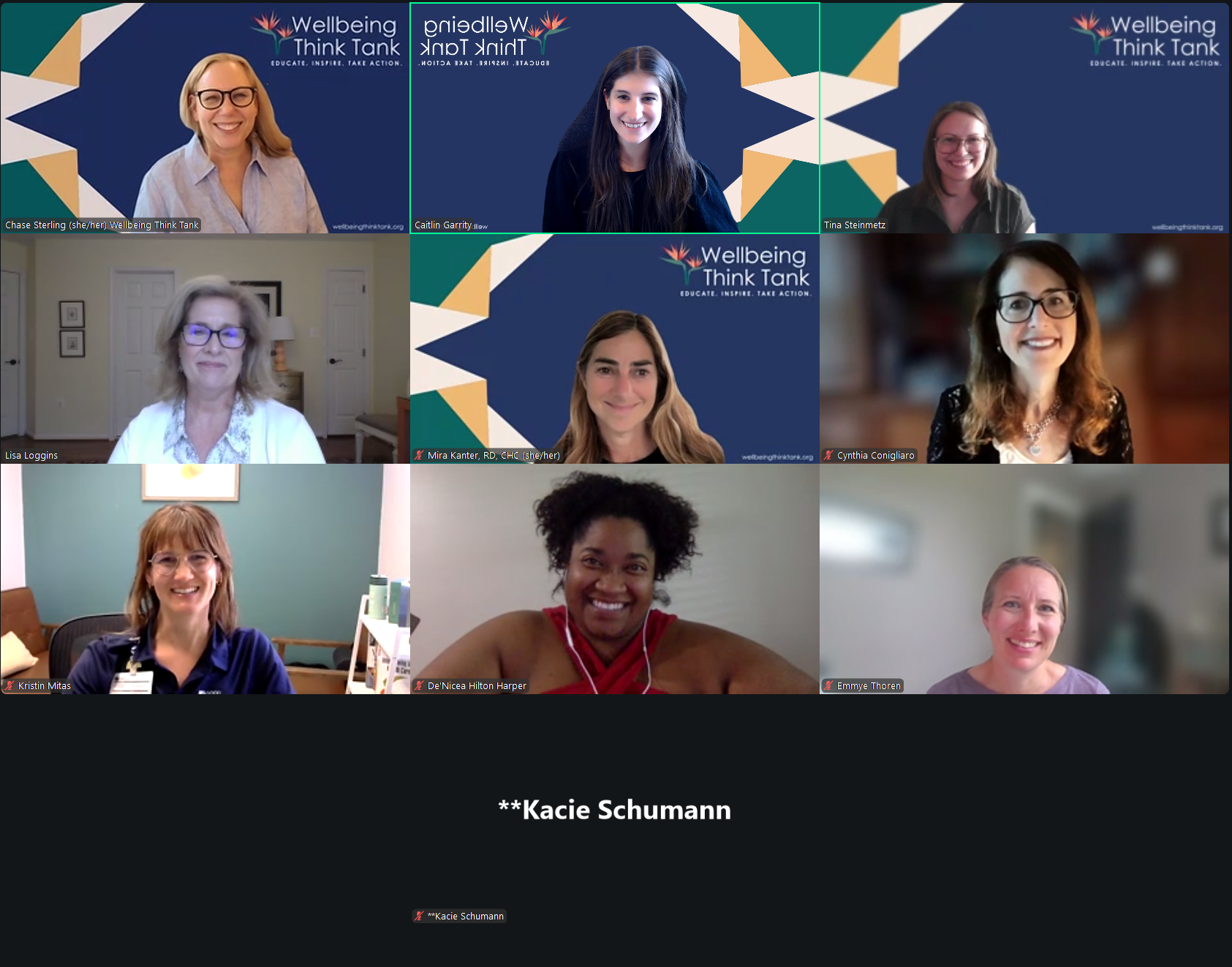
During our recent WTT Connected meeting, Professional and Practitioner members came together to discuss how these ideas are showing up in real workplaces and where challenges remain.Unlike a traditional presentation, WTT Connected is designed as a community of practice. It creates space for participants to share ideas, ask questions, and learn from one another.
Communication Remains a Shared Challenge
One theme emerged quickly: reaching employees is difficult.
Participants described the challenges of supporting remote teams, hospital staff, public sector employees, field based workers, and employees across multiple locations and shifts. Many shared that email remains the primary communication channel, even when large portions of the workforce rarely check it.
The conversation also reinforced that workload, trust, culture, leadership, and whether people have the time and capacity to participate, impact engagement even more than communications.
Play Looks Different for Everyone
A key insight from the discussion was that play does not have to look like a formal activity.
Attendees shared examples of creativity showing up through meeting icebreakers, employee resource groups, book clubs, volunteer events, office puzzles, coloring stations, talent shows, workspace murals, and department specific challenges.
The group also discussed the importance of choice. Not everyone wants to perform, compete, or share what they create. For some employees, play may be deeply personal. Creating space for optional participation can help keep the experience meaningful rather than pressured.
Culture Shapes What Works
The discussion highlighted why workplace wellbeing cannot rely on one size fits all programming.
What feels fun, restorative, or engaging in one organization may not work in another. Participants reflected on the importance of understanding the culture, values, schedules, and lived experiences of the people being served.
This includes recognizing that some employees may not feel safe participating in creative activities if they fear judgment, exclusion, or being misunderstood. Psychological safety and cultural sensitivity are essential when introducing art, play, or creative experimentation at work.
Small Ideas Can Create Meaningful Connection
Many of the ideas shared were simple and practical.
Participants discussed starting meetings with a light question, creating opportunities for employees to share hobbies, inviting wellness champions to shape local activities, or using small environmental cues to encourage movement, creativity, or connection.
The group also explored how leaders and champions can help make wellbeing feel more visible and approachable. When trusted peers and managers participate, communicate, and model engagement, wellbeing efforts can feel less like another program and more like part of the culture.
Community Reflections
Being honest around what hasn’t worked also sparked thoughtful discussion.
Participants named the difficulty of encouraging participation when employees are overwhelmed, burned out, or simply trying to get through the day. The group also acknowledged that not every activity will reach every person.
That reflection led to an important reminder that impact is not only measured by total participation. Reaching one person, supporting one department, or creating one meaningful moment still matters.
From Insight to Action
Our challgenge to our broader community to to choose one upcoming meeting, program, or communication and ask: how could this feel a little more human, creative, or engaging?
That might mean adding a simple reflection question, inviting employee input, making participation optional, or asking whether the format truly fits the people you are trying to reach.
Continuing the Conversation
This WTT Connected discussion reinforced what makes community learning so valuable. The most useful insights often come from hearing how others are navigating similar challenges in different settings.
As we close our quarter on Art and Play for Human Flourishing, this conversation reminds us that creativity does not have to be elaborate to be meaningful. When organizations create space for curiosity, expression, and connection, they create more possibilities for people to flourish at work.
Wellbeing Think Tank brings together people who care deeply about creating healthier, more human workplaces. Learn how to join our community and stay connected to evidence-based learning and events throughout the year.
If you believe accessible, trusted resources should continue to be available to all, consider making a tax-deductible donation. Your support helps us continue to offer education you can trust, inspiration that you need, and resources so you can take action for wellbeing.
