Creating Events That Connect: How to Build Belonging at Conferences (In Person or Online)
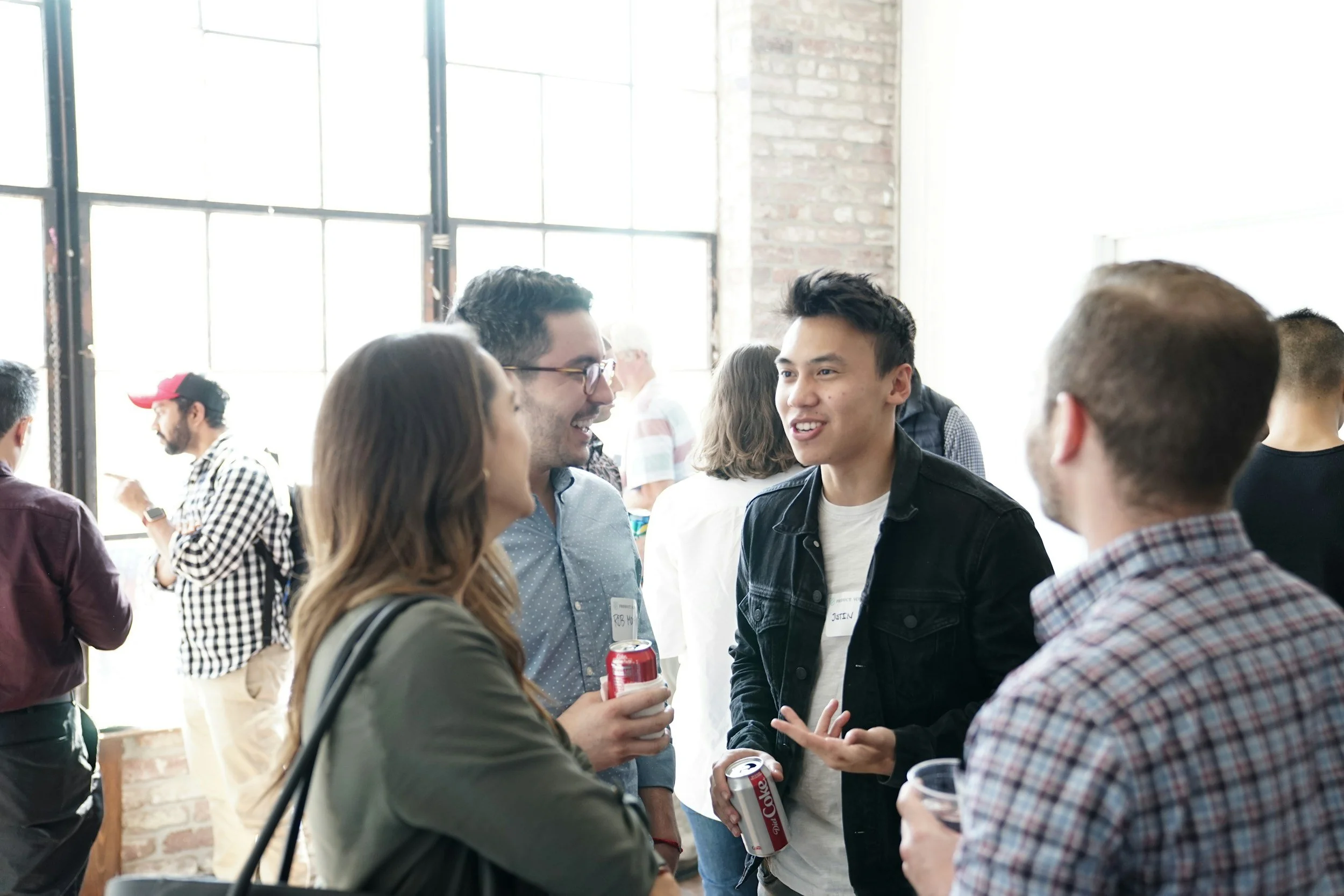
Whether in-person or online, connection shouldn’t be an afterthought.
Here’s how we’re rethinking event design to center belonging, dialogue, and real human interaction.
In a world where “networking” can feel like a buzzword and virtual meetings often fall flat, creating genuine connection at events takes intentional design. But when we get it right? People feel seen, ideas flow more freely, and community takes root.
At Wellbeing Think Tank, connection isn’t a side effect of our events, it’s a core part of our strategy.
From the very beginning, we’ve designed our gatherings to promote dialogue, inclusion, and a shared sense of purpose. Whether you're joining from a conference room in Portland or a laptop screen across the country, we want you to feel like you belong.
Making Virtual Events Feel Personal and Participatory
After hearing from our community, we transitioned all of our events to a meeting format to ensure real-time connection. That means cameras-on conversations, breakout rooms with just 3–4 people, and live discussions that make space for everyone’s voice, whether through video or chat.
At our WTT Connected meetings, we recap key takeaways from recent events and dive into how attendees are applying those lessons in their own workplaces. These virtual gatherings prioritize peer learning and shared reflection, not just top-down presentation. We even invite everyone to share LinkedIn profiles during breakouts and end each session with a group photo, because faces matter, not just names.
Building Belonging In-Person and Across Platforms
At our 6th Annual Summit, we’re raising the bar on hybrid connection. We’re investing in an app that lets in-person and virtual attendees chat with one another, and we’re assigning volunteers to facilitate meaningful conversation during the lunch and social hours so no one gets left out, no matter how they attend.
We’ve also reimagined the room layout itself. By limiting each table to 8 chairs and encouraging participants to rotate throughout the day, we create more opportunities for connection. Plus, we build in longer networking breaks and a dedicated social connection hour to support relaxed, unstructured interactions.
Intentional Design for Belonging and Wellbeing
Every presentation at our Summit is collaborative by design. While expert speakers anchor the sessions, participants are invited to contribute insights, ask questions, and help shape the dialogue. That’s especially true during our WTT Connected - Take Action Workshop, where attendees work together to reflect, plan, and contribute to the broader workplace wellbeing conversation.
Small touches matter, too: table icebreakers to spark conversation, visible volunteers serving as ambassadors, and feedback collected after every event to keep improving our approach.
Want to Help Shape the Experience? Join Us.
We’re currently building out our 2026 volunteer teams, including a new strategic volunteer lead role focused on onboarding, inclusion, and retention. If you’re passionate about building healthier workplaces and want to play a part in making our events thrive, we’d love to welcome you to the team. Submit your interest here.
Because if you believe in wellbeing for all, then you belong at Wellbeing Think Tank.
And we can’t wait to connect with you at the Summit, where every seat is a good one, every voice matters, and everyone is part of the conversation.
Join a growing community of professionals dedicated to healthier, more human workplaces. Subscribe to our newsletter for evidence-based insights and upcoming learning opportunities.
Your support keeps these conversations accessible to all! Every contribution helps us inspire, educate, and take action together. Donate here to support our mission as a 501(c)(3) nonprofit organization.
