The Art of Humor at Work: Recapping Our Be Well Session with Lisa David Olson
Humor is a powerful tool for trust, for connection, and for communication
In our latest BeWell session, we explored how to tap into humor in practical, inclusive ways that elevate workplace wellbeing.
Can laughter really make work better?
That was the unspoken question at the heart of our latest Be Well session, featuring speaker and humorist Lisa David Olson. With deep roots in improvisation and a track record of helping teams loosen up and connect more meaningfully, Lisa brought a mix of research, real-world insight, and full-on play.
And our wellbeing community was ready for it. The interactive session centered on how humor supports trust, psychological safety, and creativity and offered tools that teams can use right away. Here are just a few of the highlights.
Humor changes how we communicate
Whether you're navigating high-stakes conversations or just want your team to feel more connected, humor creates a shared language. Lisa emphasized that humor isn’t about telling jokes, it’s about connecting with humanity. That includes listening with curiosity, responding with warmth, and knowing when to invite lightness into the room.
Humor builds trust
When someone makes us laugh, we’re more likely to listen. Laughter creates a moment of shared experience, and in the workplace, those moments add up. Lisa encouraged attendees to see humor as a form of leadership, one that brings people in rather than pushing them away.
It’s about play, not perfection
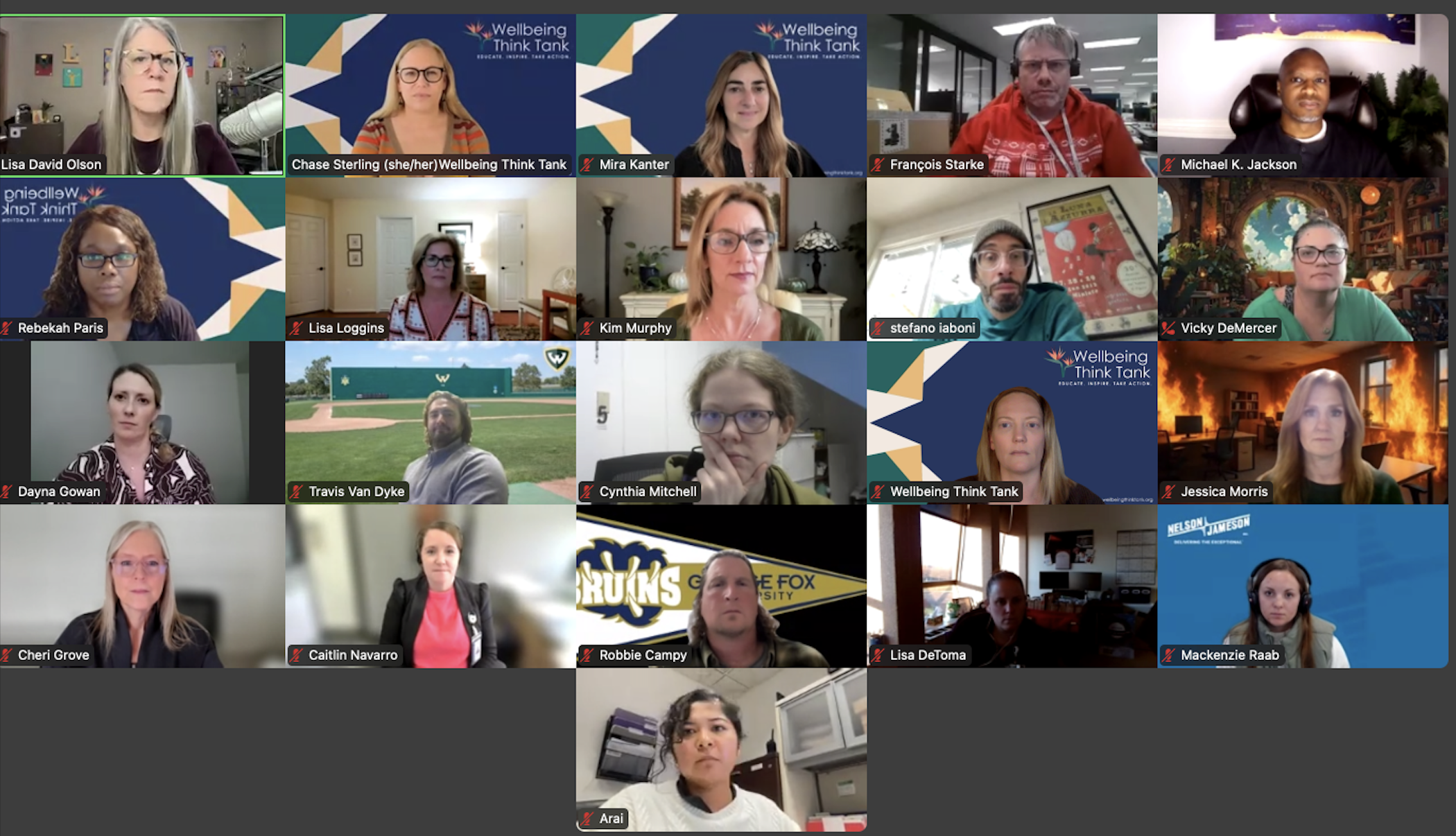
Participants took part in playful exercises like “Liar’s Club” (a hilarious test of storytelling and reading people), Mad Libs-style prompts, and a group “serious selfie” to close out the session. People turned on their cameras, tried to keep a straight face, and we captured a truly silly moment of seriousness. These joyful activities offered a firsthand reminder that even small moments of levity can boost morale and build connection.
Actionable Takeaways
Use the “Yes, and” mindset to acknowledge and build on others’ ideas, a classic principle of improv that’s just as powerful in meetings as it is on stage.
Don’t save humor for the stage, use it to open meetings, connect across teams, or lighten the mood in high-pressure moments.
Prioritize psychological safety by inviting participation in multiple ways (chat, breakout rooms, nonverbal interactions).
Make room for connection: Humor is a strategy, not a distraction. It clears the way for stronger relationships and deeper collaboration.
Special thanks to our presenter, our amazing volunteer team, and all of you, our community, who showed up ready to participate. We can’t wait to see you at our next event!
