How to Thrive: Five Brain-Based Pillars for Lasting Wellbeing

Thriving isn’t just about feeling good in the moment, it’s about building a life that supports long-term wellbeing.
Neuroscience reveals the daily habits that help us get there.
Why aren’t we happy all the time?
The short answer: our brains don’t work that way. The brain responds to changes, not static levels. In other words, we need contrast to recognize when we’re happy or sad. Even the U.S. Declaration of Independence acknowledges this; that humans are wired to pursue happiness, not remain saturated in it.
Happiness is a fleeting state. Thriving, on the other hand, is a long-term condition associated with consistent positive mood, energy, and increased healthspan. This idea of thriving has roots in eudaimonia from Aristotelian virtue ethics, and in positive psychology research on life satisfaction (Heinaman, 1988; Diener et al., 2010). A person is thriving when they are socially and emotionally engaged, and when episodic stress resolves during rest and recreation (Merritt et al., 2022).
What can individuals do to actively increase their satisfaction with life?
I call the five most important contributors to thriving the Five Pillars:
Eating a healthy diet based primarily on plants
Regular moderate to vigorous exercise
Sleeping well
Having a rich social life
Identifying and acting on one’s life purpose
Let’s break these down. Diet, exercise, and sleep are well-known. A variety of tools can help people track and improve these. But what about a rich social life?
The kicker is the term rich. Does it refer to the number of friends? The frequency of visits? Family dynamics? Casual interactions, like saying hello to a stranger in an elevator (something I like to do)? If we can’t define a rich social life, we can’t measure it. And if we can’t measure it, we can’t manage it to improve thriving. That’s a problem, especially since Oxford’s research shows that around half of our happiness is tied to social relationships.
Understanding the Social Brain
Over the last twenty years, my lab has studied how the brain values social-emotional experiences. We identified a network in the brain we call Immersion, and developed technology to measure it in real time, allowing us to quantify how rich someone’s social life actually is.
Immersion is driven by two core conditions:
The person must be present (not distracted)
The experience must generate emotional resonance
Presence is associated with dopamine binding to the brain’s prefrontal cortex, which drives attention. Emotional resonance is tied to oxytocin, the neurochemical that supports bonding and trust. Dopamine and oxytocin interact in a complex dance that produces neuroelectrical activity in the brain which is the signature of Immersion.
A decade ago, my team developed a technique to measure Immersion via the brain’s cranial nerves. These connect the brain to the rest of the body, and we discovered that we could trace the relationship between neurochemical activity and real-time signals picked up by wearable devices. We then wrote algorithms that allow us to measure Immersion using smartwatches and fitness wearables.
What’s the point of all this neuroscience?
Our research shows that individuals who experience six or more peak Immersion waves per day are healthier and happier (Merritt & Zak, 2024; Zak et al., 2022). A peak Immersion wave is a neurologically valued experience that lasts at least three minutes. These aren’t just “feel-good” moments, they are metabolically costly, engage the full brain, are stored in long-term memory, and are later reflected on as meaningful.
Service + Purpose:
Helping others is the most effective way to experience peak Immersion. It benefits both the helper and the person being helped, especially when the gesture is unexpected.
For example, I regularly hike and decided to volunteer for trail maintenance. Nearly every hiker and biker thanked me, often enthusiastically. That feedback made volunteering feel great and when measured, generated peak Immersion. These moments of service improve immune function, deepen sleep, and enhance wellbeing. When you invest in others, your social life becomes richer and more fulfilling.
People who live with purpose often focus on helping others. Even if your purpose is a personal goal, like being a world-class rock climber, the experience becomes more meaningful when it involves others. My research shows that adding a social component to any experience increases its Immersion. We are social creatures, and it’s through connection that we truly thrive.
Your Goal: Six Peak Immersion Experiences a Day
The Five Pillars give you a roadmap to thrive:
• Diet
• Exercise
• Sleep
• Service
• Purpose
Put these into practice and you’ll live longer, feel better, and build a life that is neurologically aligned with wellbeing. And, you can use the SIX app to to discover what they are and when they happen every day to unlock a brighter, bolder you.
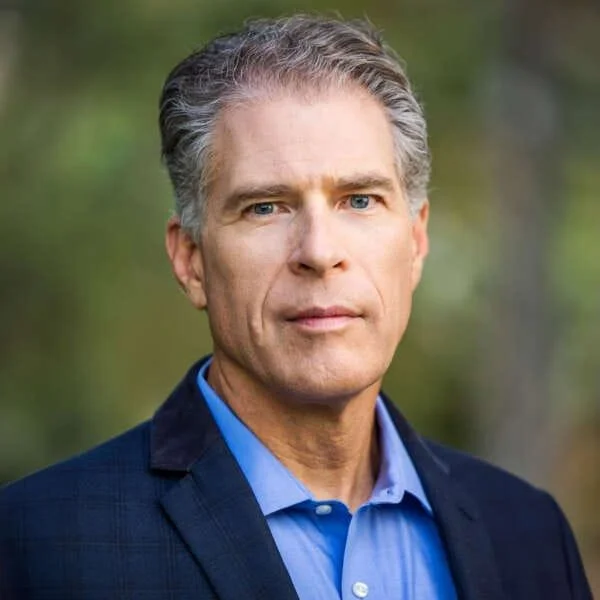
Learn more from Paul at our 6th Annual Summit where Dr. Zak will kick off our day of learning and connection. Join us in Portland, or via our livestream!
Wellbeing Think Tank brings together people who care deeply about creating healthier, more human workplaces. Learn how to join our community and stay connected to evidence-based learning and events throughout the year.
If you believe accessible, trusted resources should continue to be available to all, consider making a tax-deductible donation. Your support helps us continue to offer education you can trust, inspiration that you need, and resources so you can take action for wellbeing.