What Dr. Mike Rucker Taught Us About Fun, Motivation, and Wellbeing
At a recent Wellbeing Think Tank BeWell workshop Mike Rucker, PhD, explored a question many adults rarely stop to ask: when did fun become something we have to earn?
As part of our Q2 theme, Art and Play for Human Flourishing, the session invited participants to rethink the role of enjoyment, play, and intentional leisure in everyday wellbeing.
Fun Is Not Frivolous
Many people have been conditioned to deprioritize fun, especially in adulthood and at work. Dr. Rucker challenged that assumption by framing fun as an important part of motivation, recovery, and sustainable behavior change.
For workplace leaders, especially those designing wellbeing initiatives, this is an important consideration. If people don’t enjoy the experience of participating in a program, practice, or a simple habit, they are less likely to return to it.
The Middle of the Story Matters
One of the most compelling ideas from the session was that long term wellbeing outcomes depend on repeated behavior.
Dr. Rucker encouraged participants to consider “Does the pursuit of a goal give people enough reason to come back?”. This question has important implications for employee engagement, habit design, and workplace wellbeing strategy.
As leaders and practitioners, we need to pause and ask ourselves, “are we creating initiatives people feel obligated to complete, or experiences they actually want to return to?”.
Reducing the Drain
Rather than asking participants to add more to already full calendars, Dr. Rucker encouraged us to start with noticing what is draining our energy and leaving us feeling depleted.
We were challenged to think about how we spend our time, what feels restorative, and what might be taking up more space than intended. Several community reflections centered on a reminder that we all have 168 hours each week, and even small choices can shape how those hours feel.
From a workplace wellbeing lens, we were reminded that fun is not just about adding more to an already full plate. It can also be about reducing unnecessary drain and designing experiences people actually want to engage with.
Community Reflections
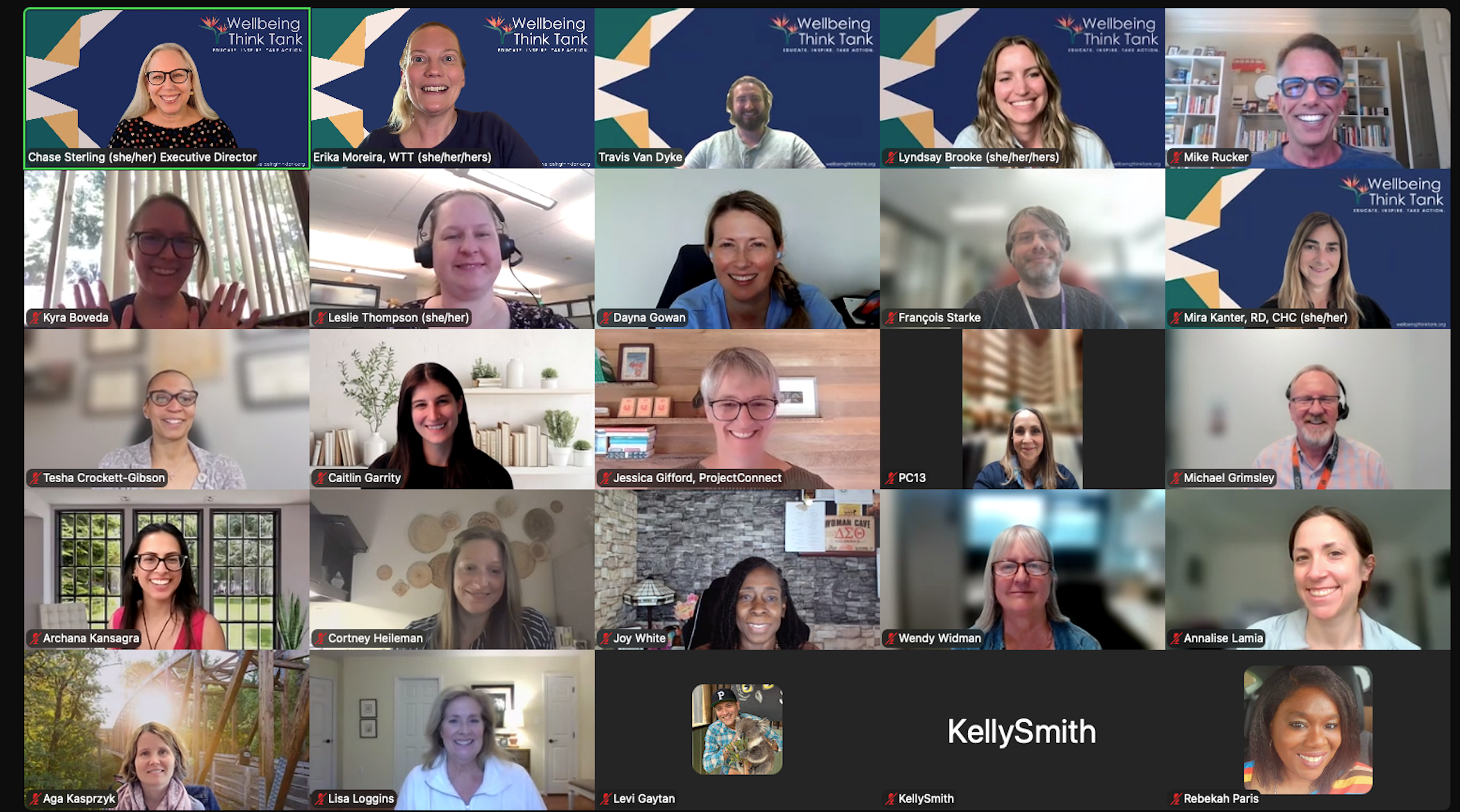
The chat reflected how relevant this topic felt for our community. Attendees shared thoughts about humor, time, agency, transition rituals, job crafting, and the challenge of making space for fun in busy lives.
One participant noted that reclaiming micro moments in the day can help people feel more time rich. Another reflected that transition rituals are especially important when working from home. Creating a ritual to replace a traditional commute to and from work can be a great place to begin.
These reflections reinforced a key theme from the session: fun doesn’t have to be extravagant to matter.
Taking Action
Try to choose one small moment in the next week where you can make something more enjoyable, restorative, or meaningful.
That might mean taking a real lunch break, adding a transition ritual at the end of the workday, scheduling something you look forward to, or simply noticing what drains your energy and what gives some of it back.
We’ll continue this conversation at our WTT Connected event on June 18. This is where the Think Tank comes to life as a community of practice, creating space to share ideas, discuss challenges, and learn from a broad network of peers.
Continuing the Conversation
This recap offers just a glimpse into our lively and practical conversation about fun, motivation, and wellbeing.
Professional and Practitioner members can access the full recording through the Wellbeing Think Tank community portal, including Dr. Rucker’s frameworks, examples, reflection prompts, and Q&A discussion.
Wellbeing Think Tank brings together people who care deeply about creating healthier, more human workplaces. Learn how to join our community and stay connected to evidence-based learning and events throughout the year.
If you believe accessible, trusted resources should continue to be available to all, consider making a tax-deductible donation. Your support helps us continue to offer education you can trust, inspiration that you need, and resources so you can take action for wellbeing.
