Founder Podcast Feature: Chase Sterling on Organizational Health, Attrition, and the Future of Work
What if the healthiest companies aren’t the ones with the highest stock price, but the ones where people actually want to stay?
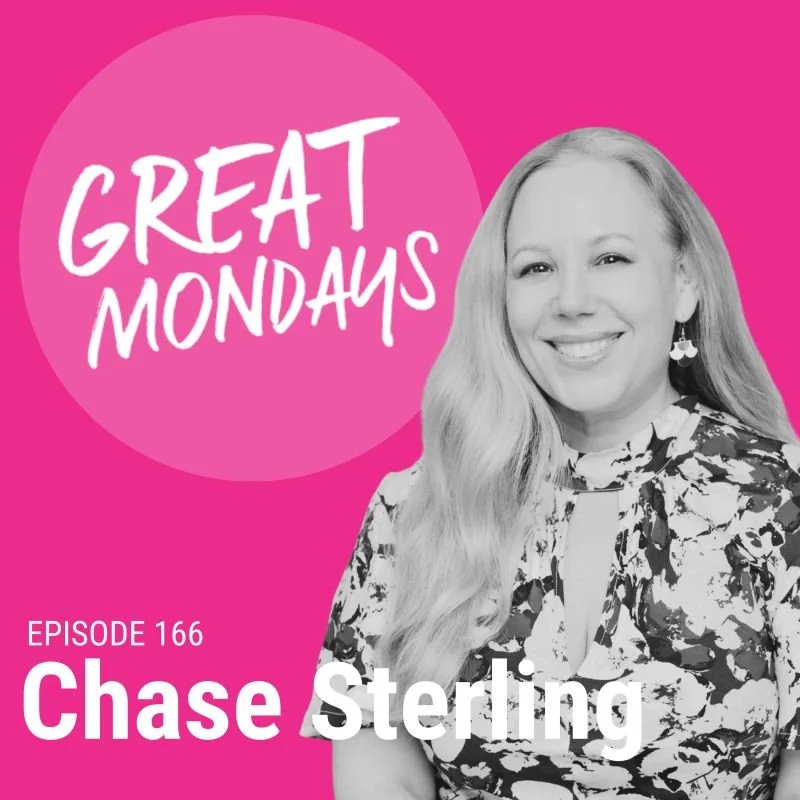
In this episode of Great Mondays, Wellbeing Think Tank Founder and Executive Director Chase Sterling joins host Josh Levine for a conversation about workplace wellbeing, organizational health, employee sentiment, attrition, AI, leadership, and why success at work needs to be measured by more than profit alone.
A Conversation About What Makes an Organization Healthy
Workplace wellbeing is often discussed through programs, benefits, and individual support. Those pieces matter, but they don’t tell the whole story of whether an organization is healthy.
In this conversation, Chase and Josh explore a deeper question: what should we actually look at when we decide whether a company is doing well?
Record profits and rising stock prices may signal financial performance, but they don’t necessarily tell us how people are being treated. A company can be profitable and still have high attrition, low trust, poor psychological safety, and a culture that leaves people feeling disposable.
If organizations want to create sustainable performance, they need to understand the relationship between the health of the business and the health of the people doing the work.
What This Episode Explores
This episode begins with the role of employee listening. Chase discusses how she pays attention not only to formal workplace data, but also to how people talk about work in online communities, social media, and public conversations. Those spaces often reveal what employees are feeling in real time, including frustration, fear, hopelessness, and also examples of workplaces doing things well.
The conversation also examines how workers across generations are experiencing the current work environment. Younger workers are often entering work with less hope about traditional promises of career security, home ownership, retirement, and financial stability. Older workers may be wondering whether retirement is even realistic. Across age groups, many people are asking what their work is for and whether the systems around them are sustainable.
Another central theme is attrition. Chase challenges the idea that the most profitable companies should automatically be treated as models of workplace health. If an organization is bringing in record revenue but people are leaving quickly, that tells a different story. Attrition, retention, trust, and the lived experience of employees are important signals of whether an organization is healthy.
The conversation also addresses the growing use of AI in the workplace. AI can support efficiency and reduce friction when used thoughtfully. But when leaders bring AI into spaces meant for human contribution without care, they can damage trust. A leader asking, “Why don’t we ask AI?” before people in the room have had a chance to speak can leave employees feeling dismissed, demoralized, and less willing to contribute.
The episode also explores incentive systems, including the widening gap between executive pay and worker pay. Chase and Josh discuss why extreme pay gaps reflect deeper questions about what organizations reward, whose labor is valued, and whether business success is being shared in ways that support long term organizational health.
Why Listen
The conversation is a reminder that healthy organizations aren’t built by chasing every trend. They are built by paying attention to what people are experiencing, defining success more broadly, using tools like AI with care, and remembering that culture is shaped by what people experience every day. We invite you to listen to the full conversation and reflect on what it might look like to define organizational health by more than profit, productivity, or stock price.
Listen to the Full Episode
Listen to the episode below or wherever you enjoy podcasts.
Presenter Note: In the podcast conversation, Chase referenced Dr. Bronner’s executive pay practices and the Purpose Pledge. To clarify, Dr. Bronner’s reports that it caps total compensation for its highest paid executives at 5 times the compensation of its lowest paid fully vested position. Dr. Bronner’s also helped found the Purpose Pledge, a broader initiative for purpose led companies. One of the Purpose Pledge commitments focuses on fair and balanced compensation, including a CEO to median employee pay ratio of no more than 25 to 1 in the country where the company is headquartered.
Separately, broader CEO to worker pay ratio data varies by source and year. Economic Policy Institute data estimates that CEO compensation at the 350 largest publicly traded U.S. firms was about 31 times typical worker pay in 1978, about 60 times in 1989, and the ratio has fluctuated in recent years. EPI estimated the ratio at 344 to 1 in 2022, 290 to 1 in 2023, and 281 to 1 in 2024.
The larger point remains that executive compensation, wage equity, attrition, and employee experience are all important signals of organizational health.
Wellbeing Think Tank brings together people who care deeply about creating healthier, more human workplaces. Learn how to join our community and stay connected to evidence-based learning and events throughout the year.
If you believe accessible, trusted resources should continue to be available to all, consider making a tax-deductible donation. Your support helps us continue to offer education you can trust, inspiration that you need, and resources so you can take action for wellbeing.
